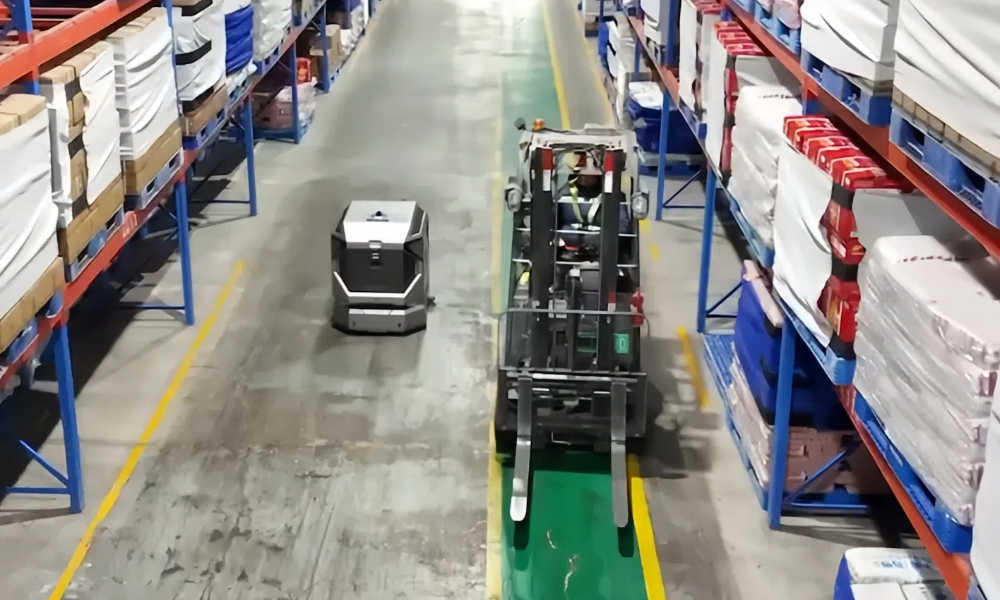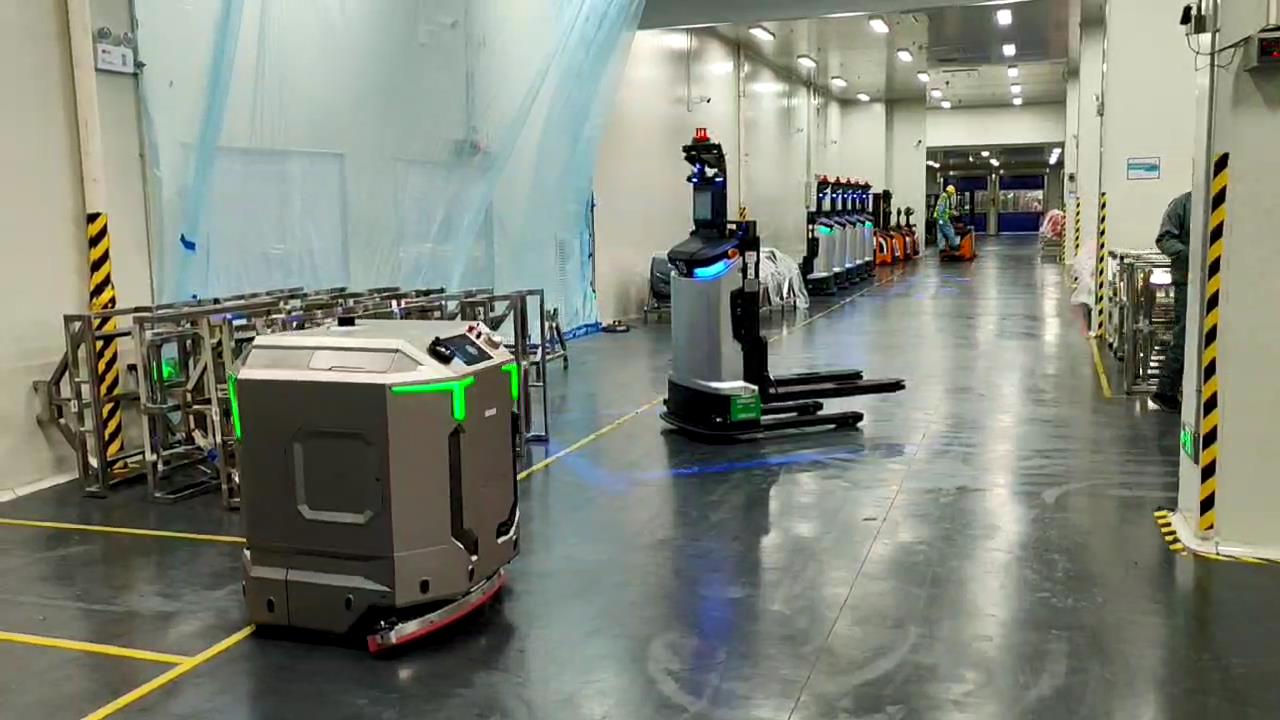
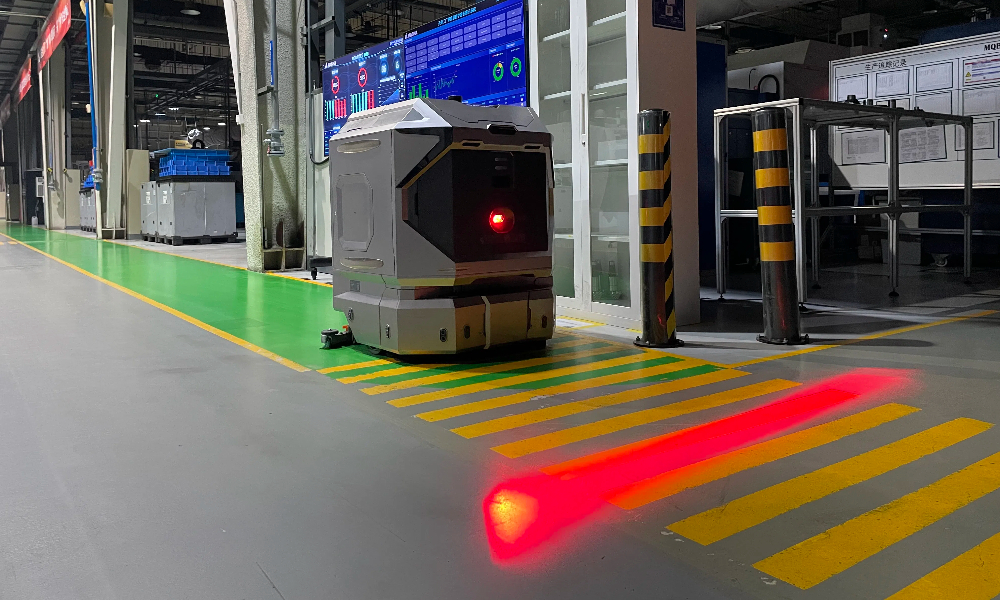
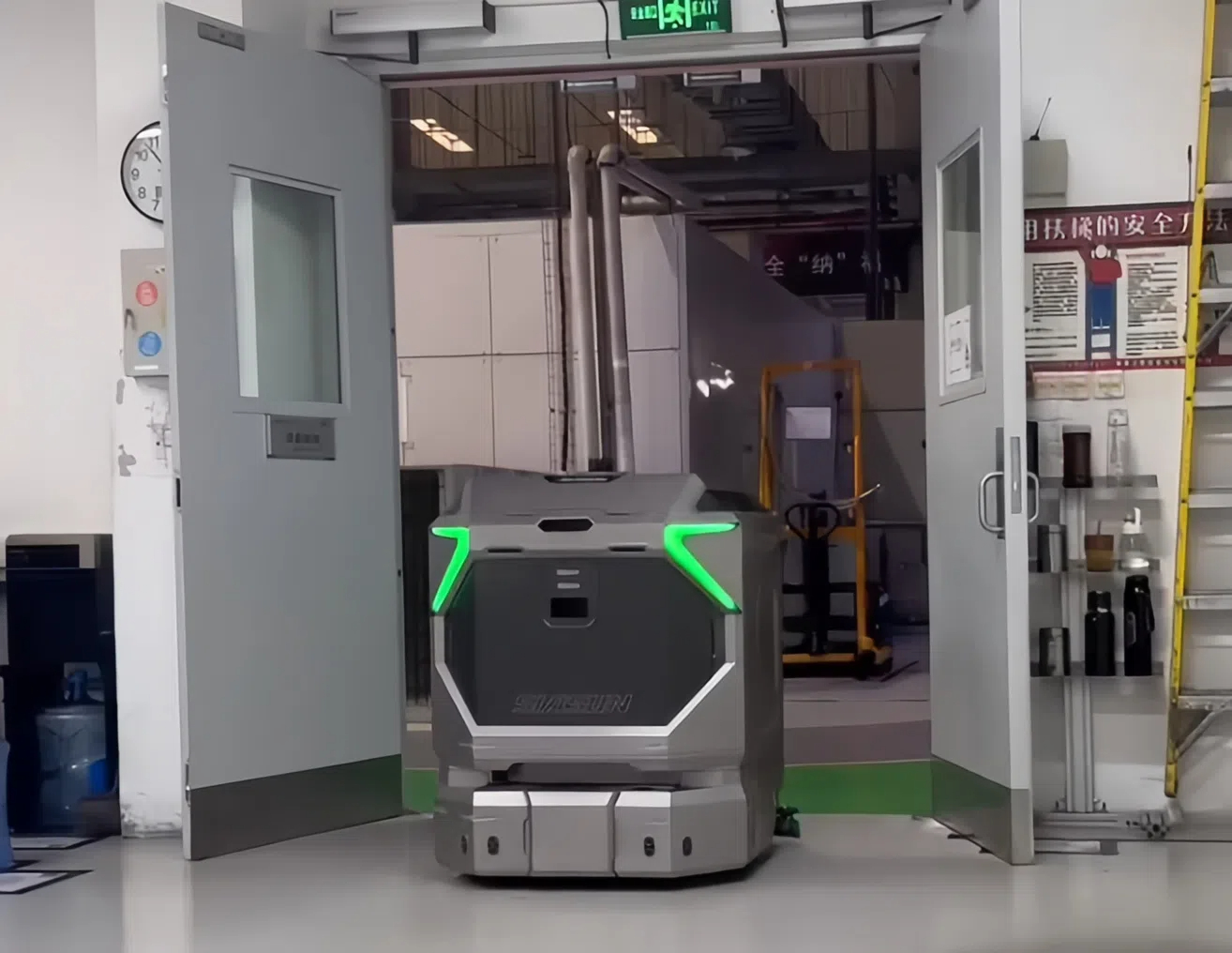
Clean background:SOCL Industrial Cleaning Robot (QD450E)
Currently, the level of automation in automotive parts production workshops is gradually increasing. Adhering to the principles of deploying mobile robots (AGV/AMR), applying industrial robots on a large scale, introducing batches of intelligent equipment, and ensuring quantified and controllable production information, these automated workshops strive to maximize production efficiency, enhance product quality, and flexibly adjust production plans while reducing labor costs and ensuring safe production. In this process, the challenge arises in how workshop cleaning aligns with production rhythms, meets flexible demands, and integrates into the intelligent system. This poses a significant challenge for enterprises aiming to further expand production capacity and achieve breakthroughs in quality and efficiency.
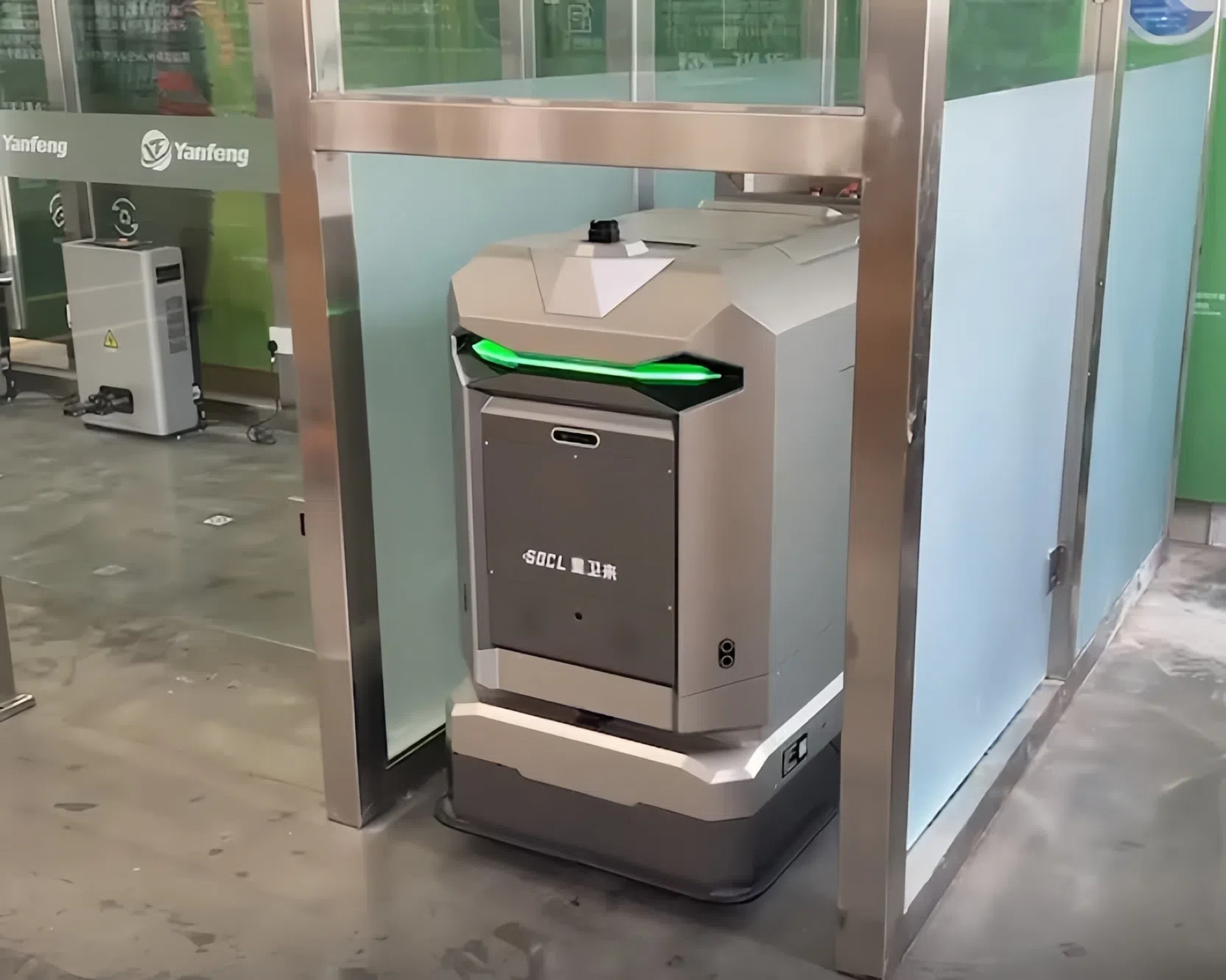
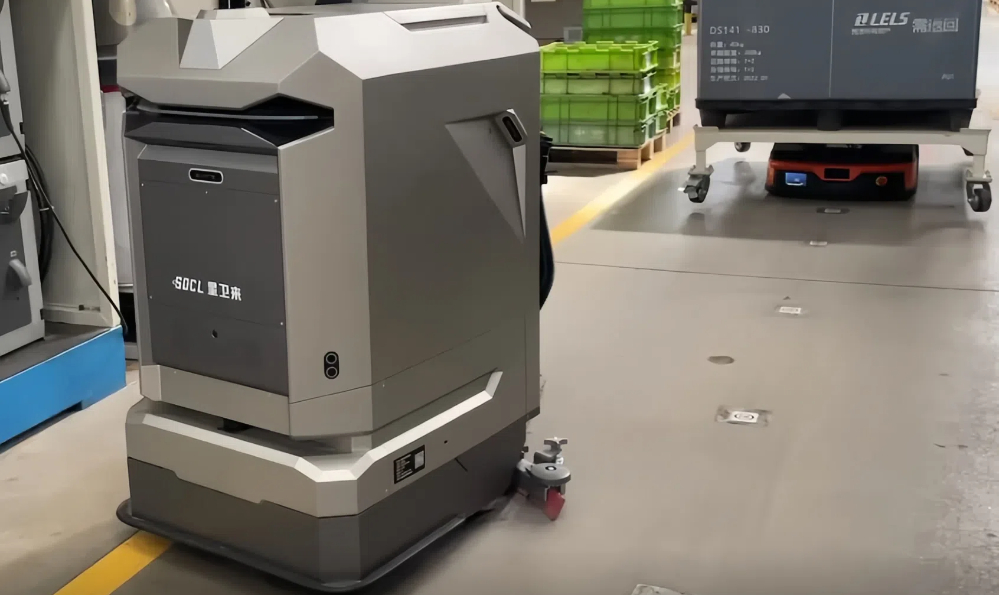
Customer pain points:
01: Complex pollutants: Oil, coolant, dust, and other contaminants generated during machining, stamping, and other processes adhere to the ground with strong viscosity and adhesion. Conventional cleaning agents and methods are difficult to completely remove them, requiring special cleaning agents and multiple scrubs, which consumes a lot of manpower and resources.
02: High safety risks: The workshop is densely packed with equipment, and mobile devices such as forklifts and AGVs frequently move around. Manual cleaning can easily result in collisions with these devices, posing safety hazards. Moreover, to avoid colliding with moving equipment, cleaning work is often interrupted, affecting the progress and efficiency of cleaning.
03: Production and cleaning cannot be conducted simultaneously: Due to the heavy production workload in the workshop, manual cleaning may interfere with production activities. Cleaning work may generate noise, water stains, etc., affecting production operations and equipment operation. It may even lead to production interruptions or delays due to cleaning personnel accidentally touching equipment or affecting logistics channels.
Project challenges:
1.Complex pollutants and random contamination areas: During product manufacturing, contaminants such as oil, coolant, dust, and iron chips always remain on the ground, and they can spread and contaminate the cleaned ground as people move around, posing significant challenges to workshop 5S management.
2.Coordinate with on-line material supply: There are multiple on-line material supply trailers operating in the workshop with tight schedules. It is necessary to achieve comprehensive floor cleaning without affecting production supply and schedules.
3.Complex and changing environment: Some production areas have narrow passageways, and there are occasional instances of trailers blocking the way, necessitating self-adjustment of cleaning areas to avoid unnecessary waiting.
4.Intelligent IoT Capability: Robots must possess robust IoT functionality, enabling online monitoring of operational status, automatic switching of system control modes, and flexible avoidance and detouring.
5.Maintenance and Upgrade: Robots require system upgrades that support high stability, rapid deployment, easy maintenance, quick consumable replacement, and precise consumable usage; they should possess iterative capabilities to adapt to changing and complex production demands.
Enhancing customer value:
1.Cost reduction and efficiency enhancement: Cleaning robots can reduce the overall cleaning expenditure of the group, achieving the goal of refined management of consumables.
2.Enhancing safety: Cleaning robots eliminate the risks of human fatigue, errors, and other special circumstances, addressing the issues of accidental personal safety and equipment damage faced by enterprises.
3.Efficiency improvement: Cleaning robots can be fully integrated into the production scheduling system, optimizing existing manual cleaning methods and indirectly enhancing production line efficiency.
4.Brand Effect: Cleaning robots, coupled with the intelligent and digital upgrade of factories, serve as an added advantage when dealing with visits from government, customers, media, and other groups.
5.Effect quantification: Dynamic adjustment of cleaning tasks and frequencies based on workshop production tasks and environmental cleaning requirements.