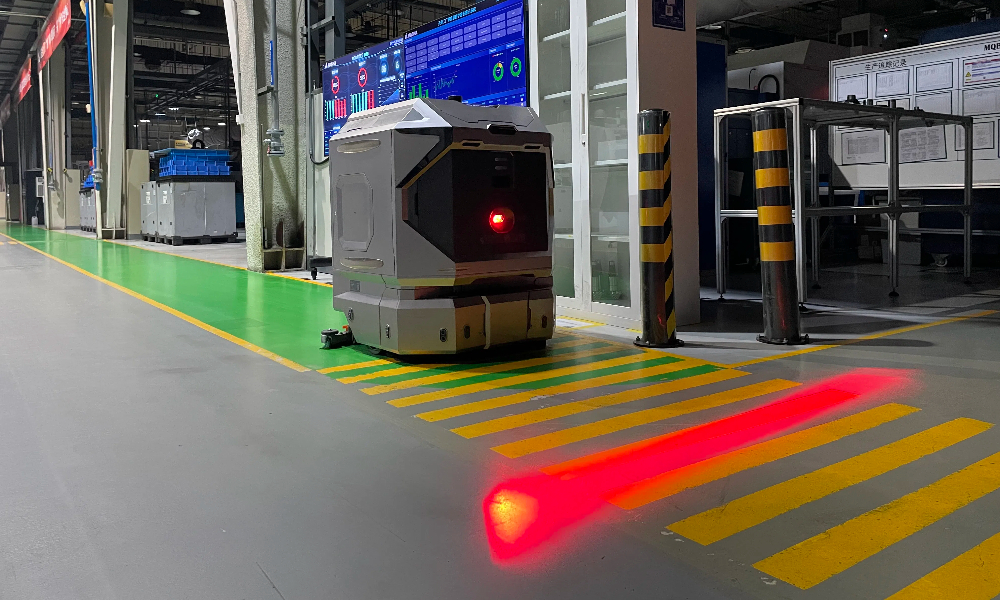
Clean background-SOCL Industrial Cleaning Robot (QD750F)
Project Background: The battery cell production workshop has long been plagued by suboptimal ground cleaning results achieved through manual methods, severely impacting production efficiency, safety, and product quality control. Currently, manual operations cannot fundamentally address the issue of carbon powder accumulation, and production personnel are required to handle cleaning duties, resulting in a significant labor burden.
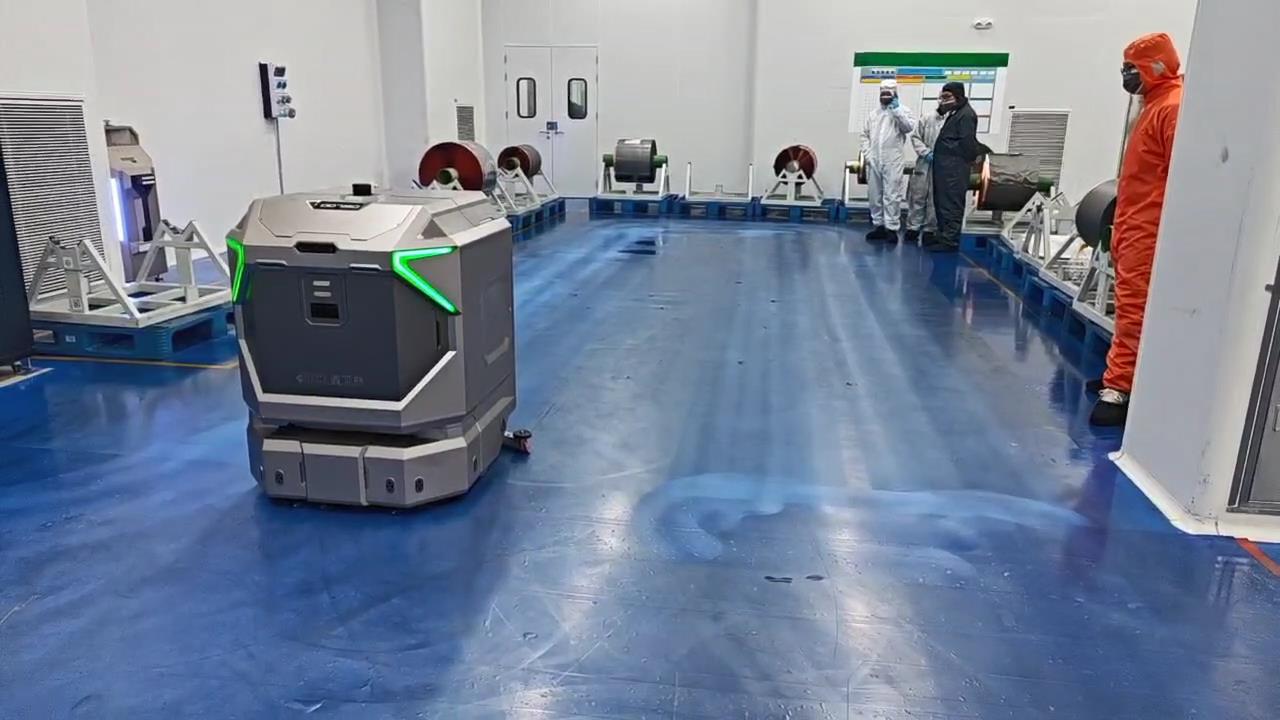
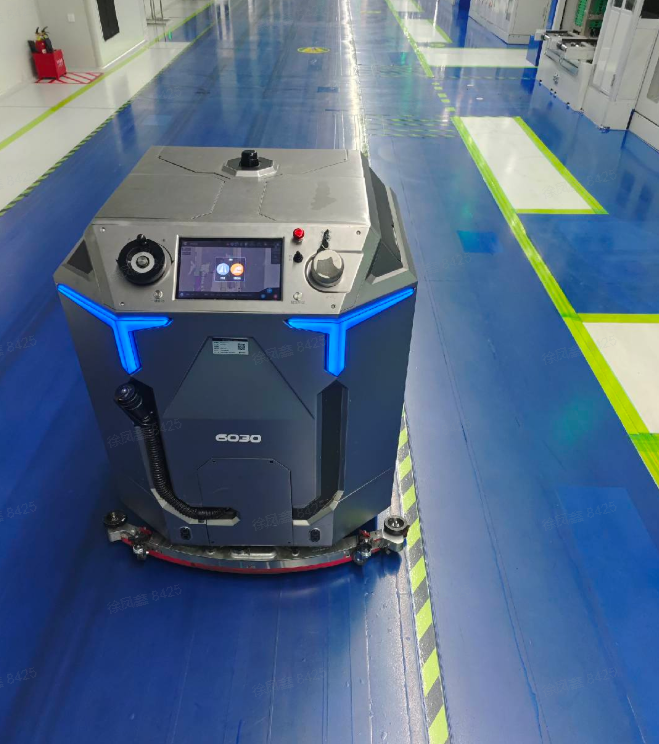
Industry pain points:
1.Dust pollution is ubiquitous:
In the entire lithium battery production process, dust pollution is a constant concern. Among the three main steps, namely positive and negative electrode fabrication, cell synthesis, and formation and packaging, the pollution from the positive and negative electrode cell fabrication process is the most severe. Accumulated carbon powder can even seriously affect the normal operation of the production line’s AGV, posing significant challenges to production efficiency and safety.
2.Rising cleaning costs
Faced with constantly emerging and pervasive pollution, companies have no choice but to hire a large number of cleaning staff to maintain the cleanliness of production sites, or reassign some production personnel to also handle cleaning duties. The number of cleaning staff and the intensity of cleaning work both increase significantly as companies boost their production capacity, causing many to suffer greatly.
3.Efficiency and Safety
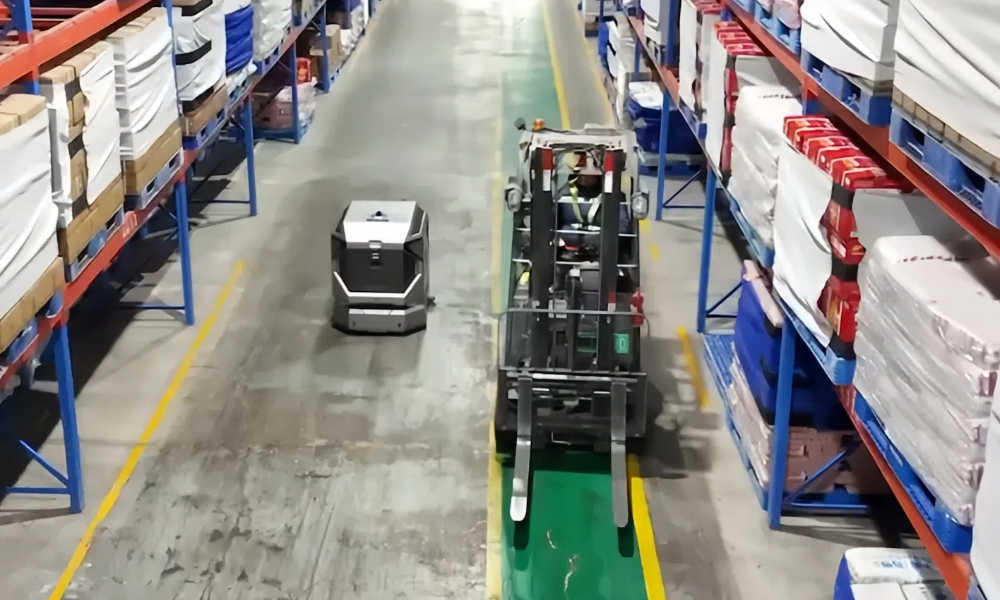
One drawback of manual cleaning is that it cannot resolve the interference between manual operations and production line AGVs. Frequently, production line AGVs lose their navigation due to slipping on wet and slippery floors, seriously affecting production efficiency. On the other hand, due to the compact structure of the workshop, there are numerous blind spots, which can easily lead to collisions between cleaning personnel and production line AGVs or manual forklifts, posing a threat to personal safety.
4.Cleaning and Quality Control
The particle density in the workshop is crucial for quality control (QC) of lithium battery products, and the accumulation of carbon powder on the ground will negatively affect the particle density.
To meet the increasing demand for production capacity, many lithium battery manufacturers opt for a 16-hour double shift or a 24-hour triple shift work schedule. However, typically, cleaning staff can only cover an eight-hour workday during the day and either an eight-hour or 16-hour shift at night, leaving gaps in cleaning services. This significantly impacts the cleaning effectiveness of the night shift and even the quality control of lithium battery products.
5.Uncontrollable cleaning effect
Due to the influence of subjective factors such as experience, methods, and attitudes, there are significant variations in cleaning effectiveness among cleaning staff per shift, often resulting in issues such as cursory sweeping, missed areas, or forgotten tasks. This indirectly increases the management costs for companies. To reduce the financial investment in cleaning staff, some companies opt to assign on-site production personnel to perform cleaning duties, making the cleaning effectiveness even more uncontrollable.
6.Impact of manual cleaning on air humidity (dew point)
Traditional manual cleaning, to ensure cleaning effectiveness, discharges a large amount of water during floor cleaning, severely affecting the temperature and humidity balance in the workshop, often leading to humidity alarms. In contrast, cleaning robots precisely dispense clean water during cleaning, coupled with high-power vacuum motors, resulting in minimal impact on humidity.
Enhancing customer value:
1.The first to achieve coordinated operation with production line AGV
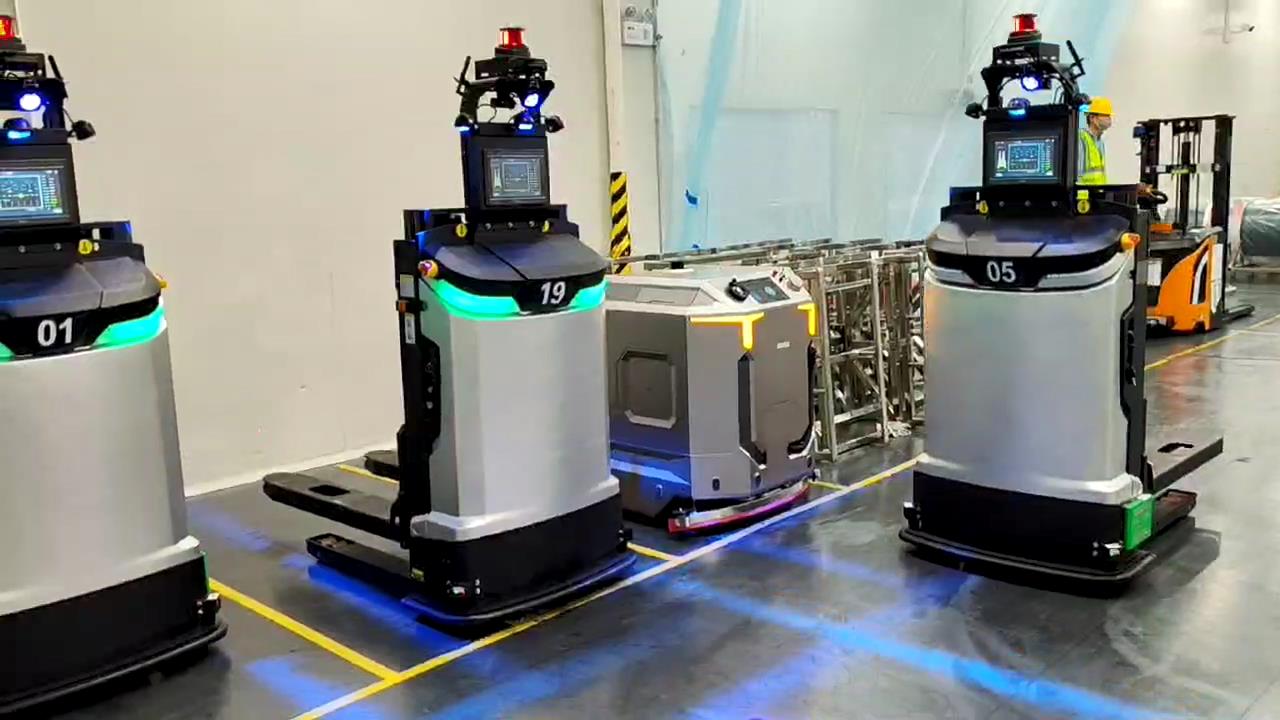
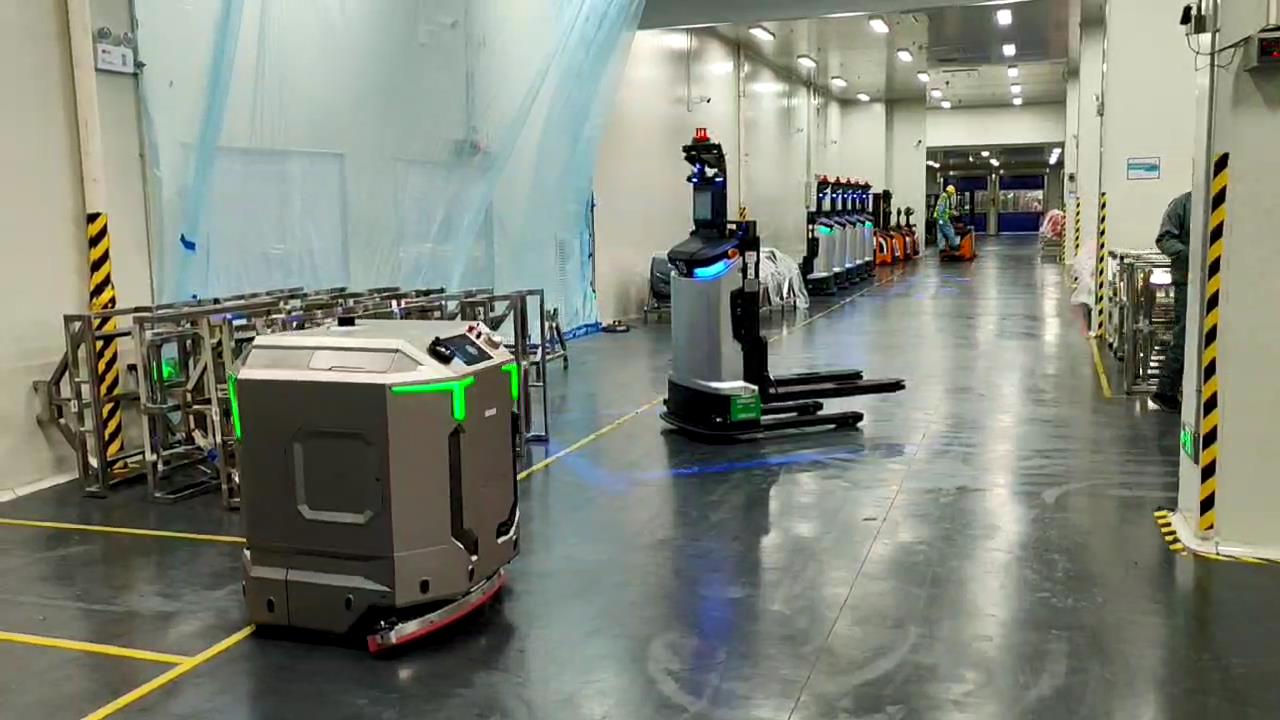
①It can achieve seamless integration, unified scheduling, and centralized management with SIASUN’s autonomous AGVs. Leveraging an excellent console scheduling strategy, it prioritizes the operational efficiency of production line AGVs, integrating cleaning operations to ensure simultaneous cleaning and production.
②As the drafting unit, the SOCL cleaning robot is developed based on the standard “Data Interface Specification for Industrial Mobile Robots and Their Scheduling Systems”. Through configuration, it can coordinate operations with mainstream AGV brands in the industry.
③Compared to other cleaning robots, the SOCL cleaning robot utilizes a mobile robot chassis that allows for a zero turning radius, faster path response, and more flexible avoidance maneuvers, meeting the efficient operation requirements of production line AGVs.
2.The industry’s first powder cleaning agent module
In response to the difficulty in cleaning carbon powder in the lithium battery industry, the Xinsong team has developed a functional module that can automatically discharge grinding cleaning agents.
In heavily polluted areas, such as near machine stations and AGV paths, deep cleaning is achieved through the automatic discharge of grinding and cleaning agents.
3.24/7/365 operation
Unlike manual labor, robots can operate around the clock, except for charging, water changing, and water filling processes. Even after the factory closes, robots can continue cleaning operations in the dark without requiring human intervention, covering a wider range of cleaning tasks.
4.Enhanced cleaning efficiency
To delve deeper into the requirements for toner cleaning, the Xinsong team established a simulated experimental area for toner cleaning within the mobile robot assembly workshop, referencing and simulating the characteristics of on-site toner contaminants. With more stringent testing conditions and extensive testing and component selection, breakthroughs and improvements have been achieved in cleaning effectiveness