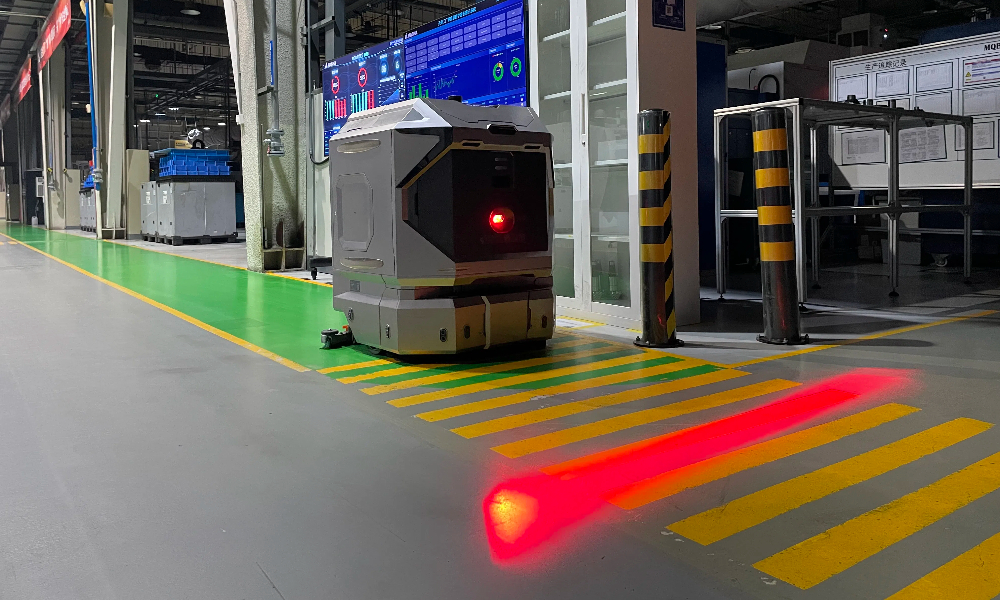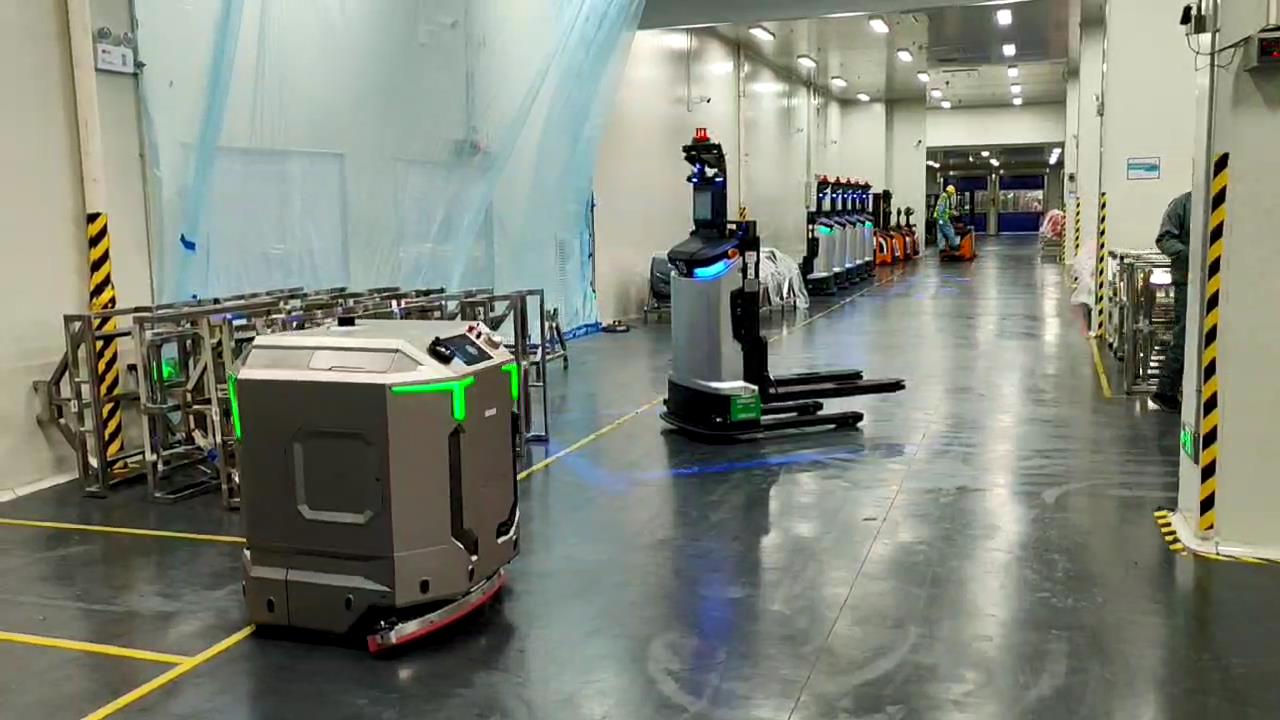
Clear background:SOCL Industrial Cleaning Robot (QD750F)
With the rapid development of the printing industry, the industrial scale continues to expand, and production processes are continuously upgraded. The importance of workshop cleaning management is increasingly prominent. In traditional printing workshops, pollutants such as ink stains and paper dust have long plagued the production environment. The manual cleaning mode has drawbacks such as low efficiency and incomplete cleaning, making it difficult to meet the high-quality production environment requirements of modern printing enterprises.
Against this backdrop, intelligent transformation has become a key path for the industry to break through. Introducing intelligent floor cleaning mode is not only an inevitable choice to address traditional cleaning pain points, but also an important measure for the printing industry to move towards intelligence, refinement, and sustainable development.
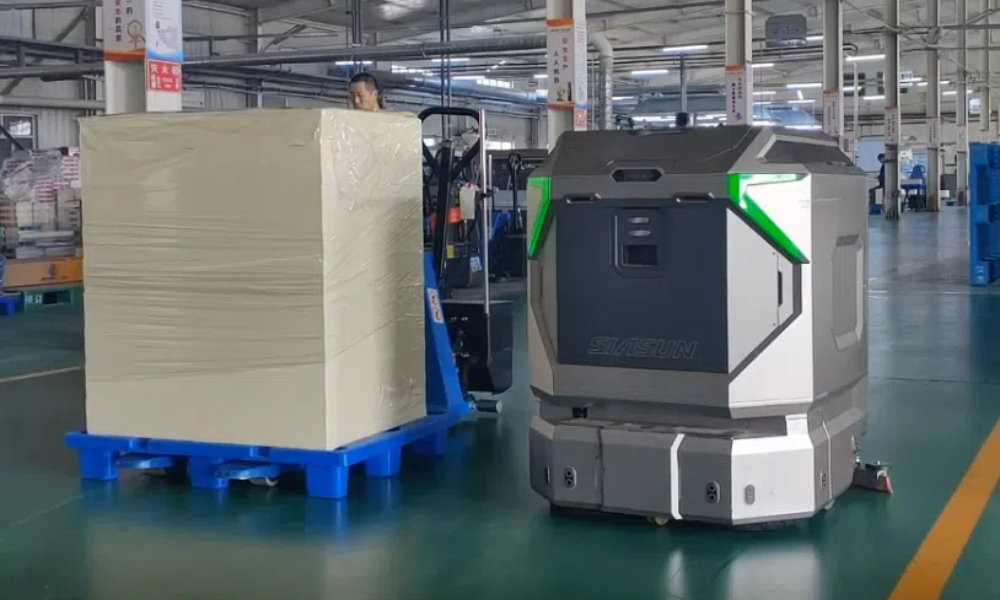
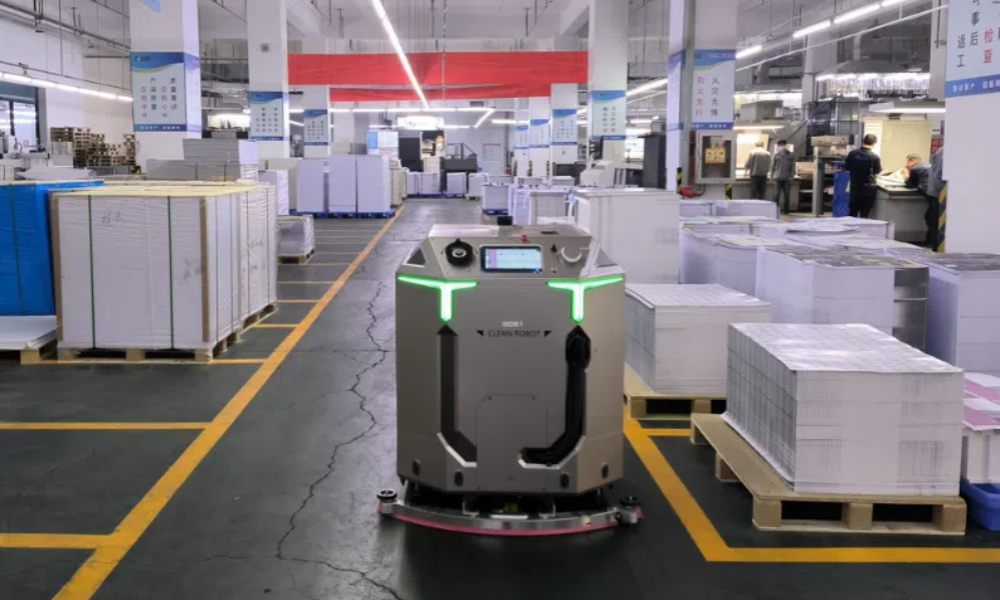
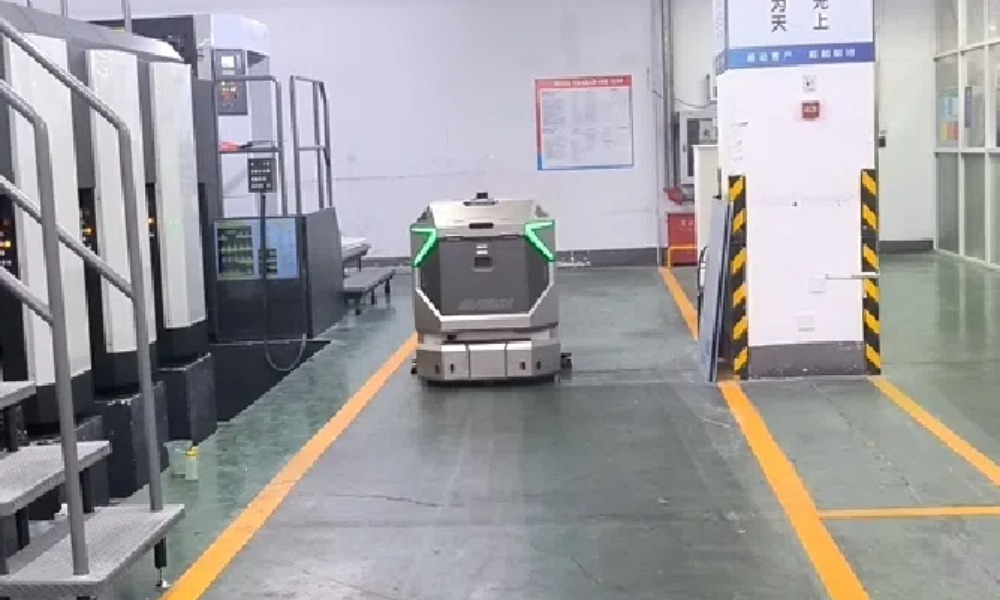
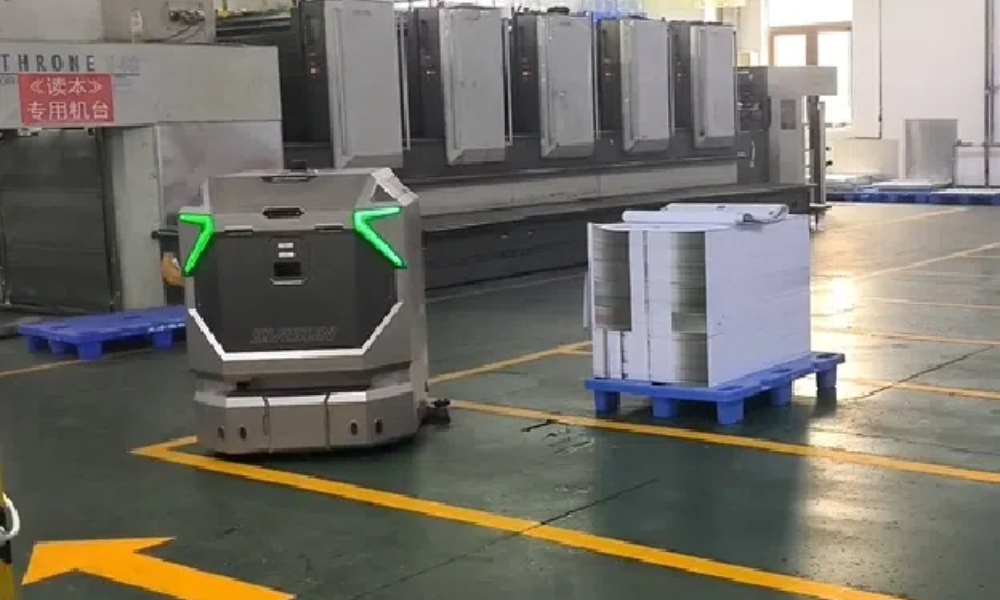
Industry pain points:
1.Complex contaminants: ink, dust, paper scraps, cleaning solution residue, etc., require different cleaning methods, and manual cleaning is time-consuming and laborious.
2.High safety risks: Printing workshops typically house large printing and auxiliary equipment, with limited floor space. The presence of cables, pipelines, and occasional manual forklift operations poses certain safety hazards in traditional manual cleaning methods
3.Impact on production: The printing industry demands a high level of cleanliness, and the cleanliness of the floor directly affects product quality and production efficiency. Dust and stains may be carried into the printing equipment. Therefore, frequent cleaning is required, which increases the labor intensity of cleaning personnel or affects production.
Project challenges:
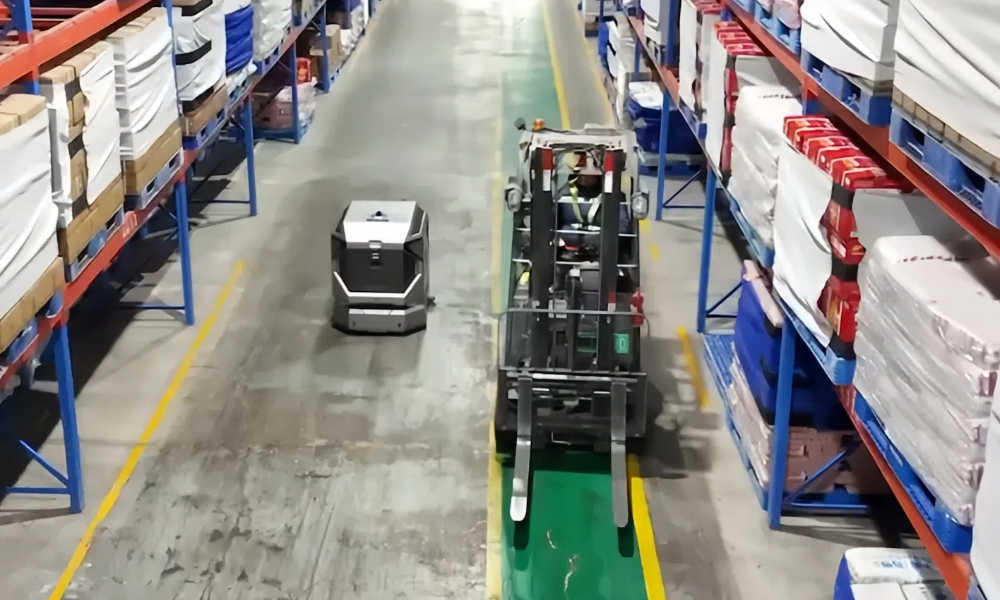
1.Complex and dynamic environment: In the semi-finished/finished product areas of printing and packaging workshops, goods move irregularly, posing challenges to navigation stability and dynamic, flexible cleaning of the area. With a mix of people and vehicles, ensuring safe and clean conditions while not affecting daily production is essential.
2.Spray system affecting navigation: The printing workshop requires a certain level of temperature and humidity, necessitating regular periodic spraying. The water mist from the humidifier poses a significant obstacle to the operation of the equipment’s visual navigation system.
3.Intelligent IoT Capability: Robots must possess robust IoT functionality, enabling online monitoring of operational status, elevator riding, automatic door control, and broader operational capabilities across various areas.
4.Ink dust cleaning: Due to the strong viscosity and staining properties of ink, once it drips on the ground, it quickly forms stubborn stains. Deep cleaning capabilities and timely cleanup are crucial.
Enhancing customer value:
1.Enhanced Safety: A safety system recognized by a CE certification body reduces safety hazards during automatic cleaning, addressing the issues of accidental personal safety and equipment/product damage faced by businesses.
2.Brand Effect: Cleaning robots, when paired with factory intelligence and digital upgrades, serve as an added advantage when dealing with visits from government, customers, media, and other groups, and are eligible for local subsidies for intelligence upgrades.
3.Improve 5S management: Robots promptly clean the floor and standardize the placement of employee items, enhancing workshop 5S management.
4.Cost reduction and efficiency enhancement: Cleaning robots can reduce the overall cleaning expenditure of the group, achieving the goal of refined management of consumables.