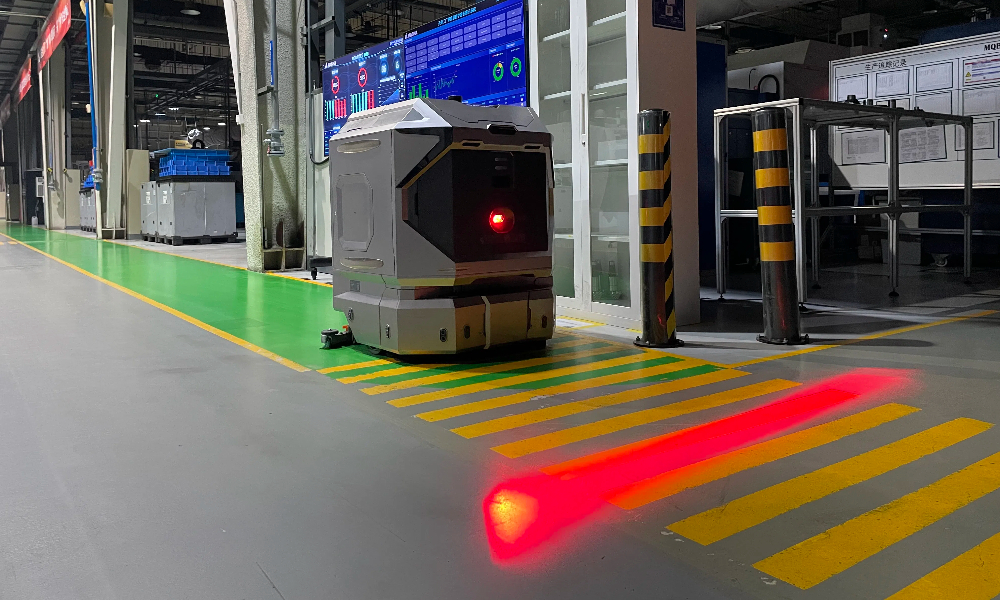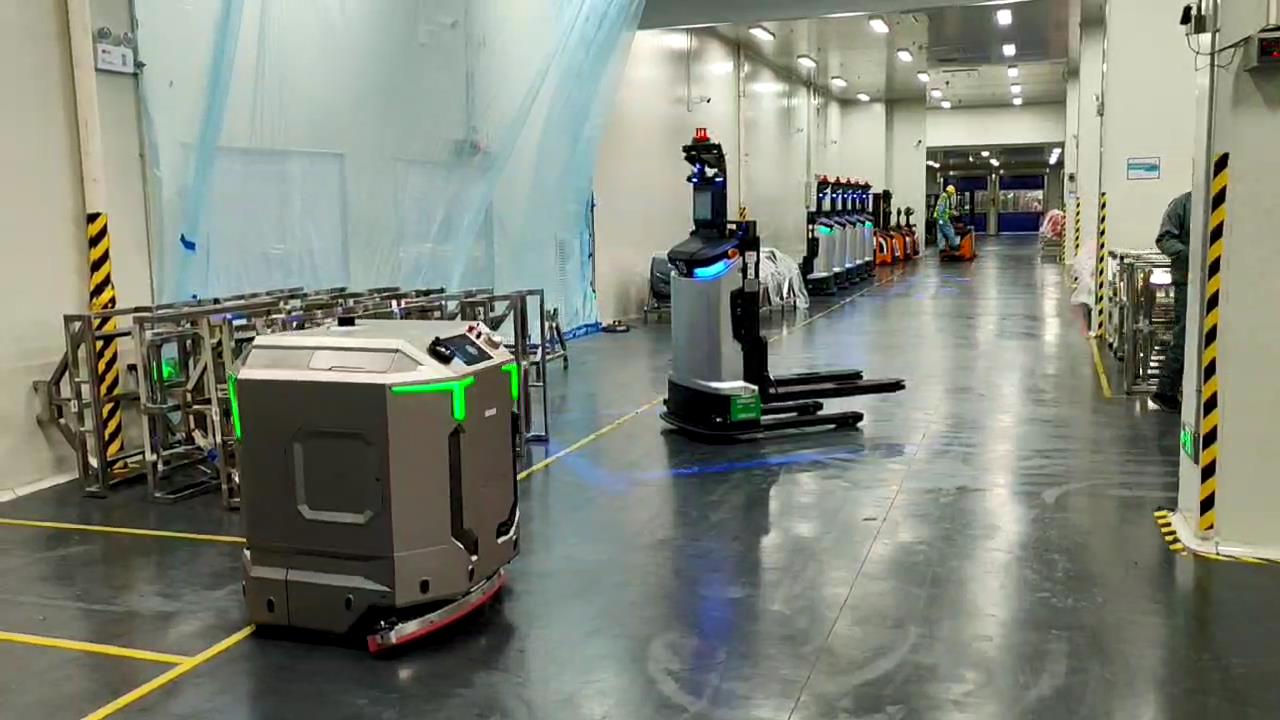
Clean background:SOCL Industrial Cleaning Robot (QD750F)
The inefficiency and inconsistent quality of manual cleaning fail to meet the stringent hygiene, safety, and efficiency requirements of modern food enterprises. In this context, the introduction of intelligent floor cleaning technology is a game-changer. Implementing this technology not only effectively addresses the drawbacks of traditional cleaning methods but also marks a significant step towards the food industry’s intelligentization, ensuring food safety, and achieving high-quality development.
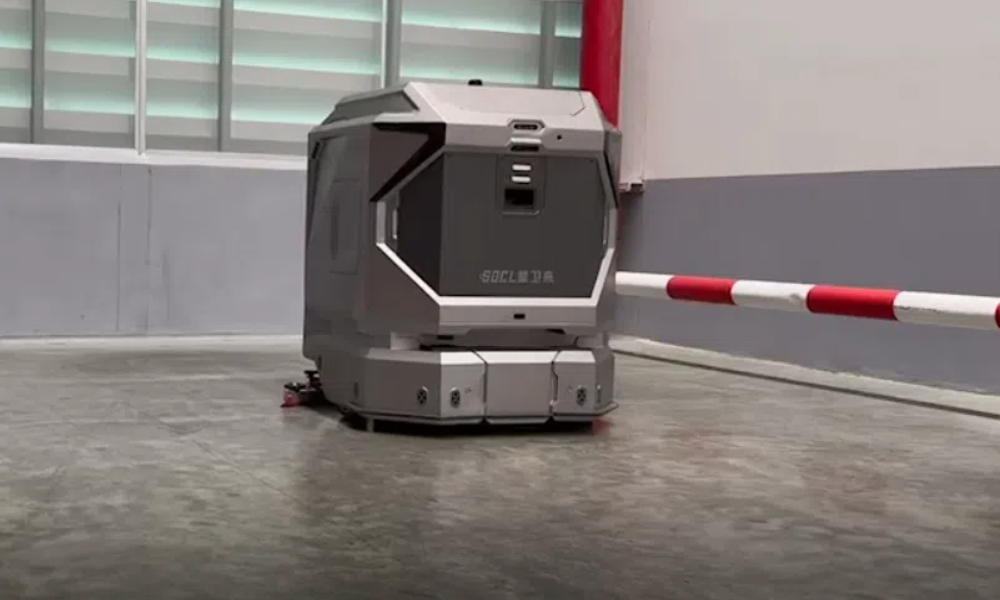
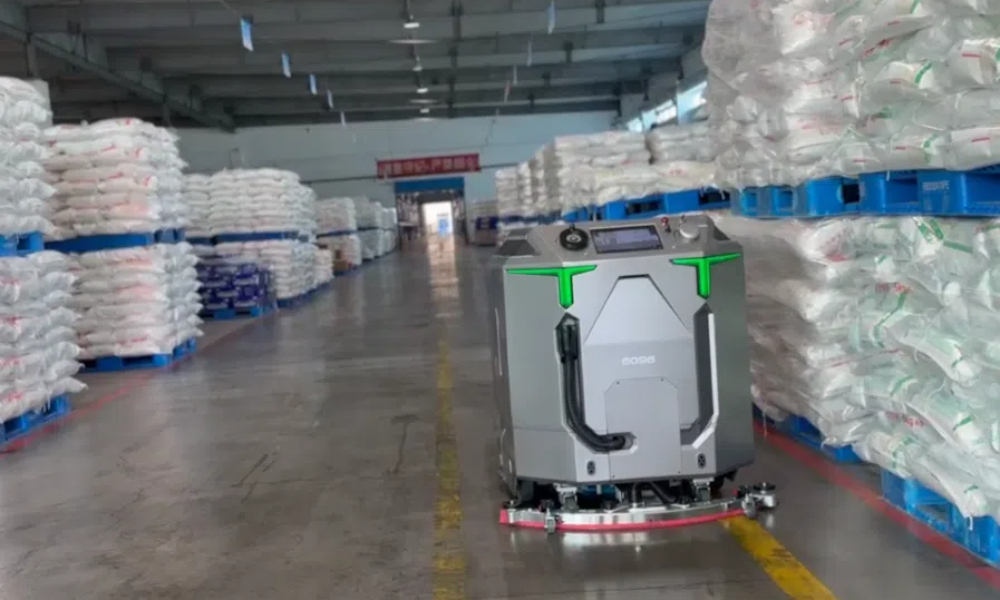
Customer pain points:
1.Stains affect food safety: Mixed stains such as oil, syrup, protein, and dust easily form stubborn stains on the floor. When accumulated in corners like floor gaps and wall corners, they can harbor dirt and bacteria, affecting food safety. Therefore, timely cleaning is necessary, but manual cleaning often fails to meet the timeliness requirements.
2.Poor cleaning quality: Traditional manual cleaning often struggles with handling not only oil and dust, but also physical debris of varying sizes. This requires the use of different types of tools, inadvertently increasing costs. Additionally, cleaning efficiency and quality cannot be guaranteed due to varying cleaning abilities among different cleaning personnel, and the labor intensity is high.
3.Cleaning production is challenging to coordinate: Improper protection can expose skin, eyes, and other parts to cleaning agents, causing harm; wet floors during cleaning increase the risk of workers slipping. Additionally, the workshop’s equipment operation and mixed pedestrian and vehicular traffic heighten the risks associated with manual cleaning.
4.High management difficulty: As labor costs rise, the expenses for training, managing, and providing benefits to hired cleaning workers increase further. Additionally, manual cleaning is difficult to quantify accurately, which hinders cost accounting, performance evaluation, and fine management of the enterprise.
Project challenges:
1.Tough stains from flour dust and debris: An efficient cleaning system, coupled with abrasives and scouring pads, effectively removes long-term solidified stains on the floor. Additionally, thanks to the integrated navigation system, the robot can achieve extreme edge-following, ensuring more effective and thorough cleaning of corners and edges.
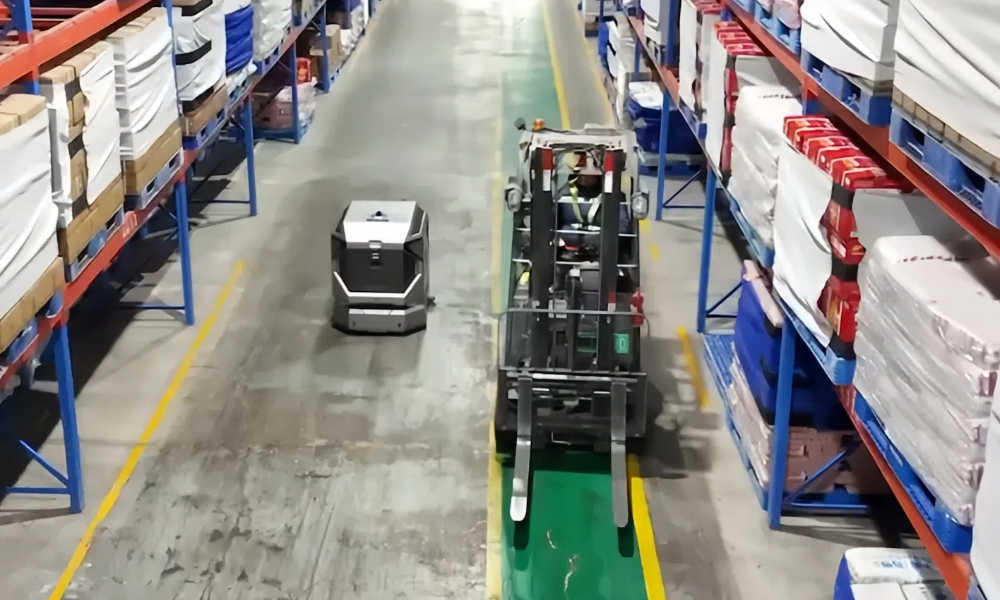
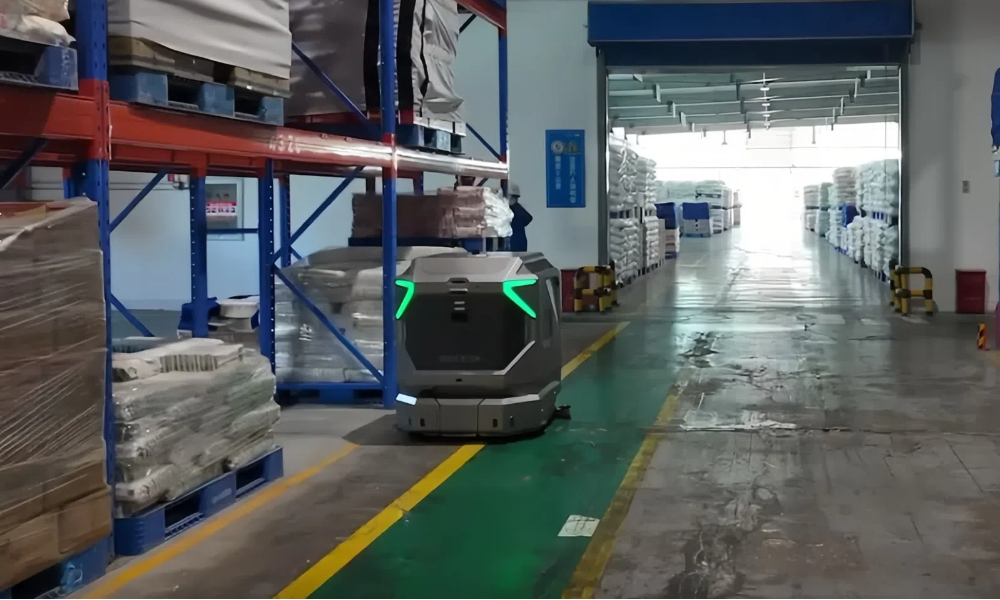
2.Manual cleaning is time-consuming and labor-intensive, affecting the timeliness of cleaning in production. Robots can cover the entire storage area for automatic cleaning, providing an efficient cleaning system that promptly and effectively addresses ground stains. The active and passive safety systems ensure that cleaning and operation can proceed simultaneously, helping the flour mill reduce costs and increase efficiency.
Enhancing customer value:
1.Eliminate cleaning hassles: With the introduction of SOCL, the robot can cover the entire storage area for automatic cleaning, providing an efficient cleaning system that promptly and effectively addresses ground stains.
2.Efficiency improvement: Cleaning and production are synchronized, ensuring neither production nor cleaning is affected. This significantly enhances the efficiency of the factory.
3.Safety issues: Reduce traditional manual cleaning, mixed pedestrian and vehicle traffic, and other factors to minimize costs incurred due to safety accidents.